
Search intent: why long-tail keyword research matters
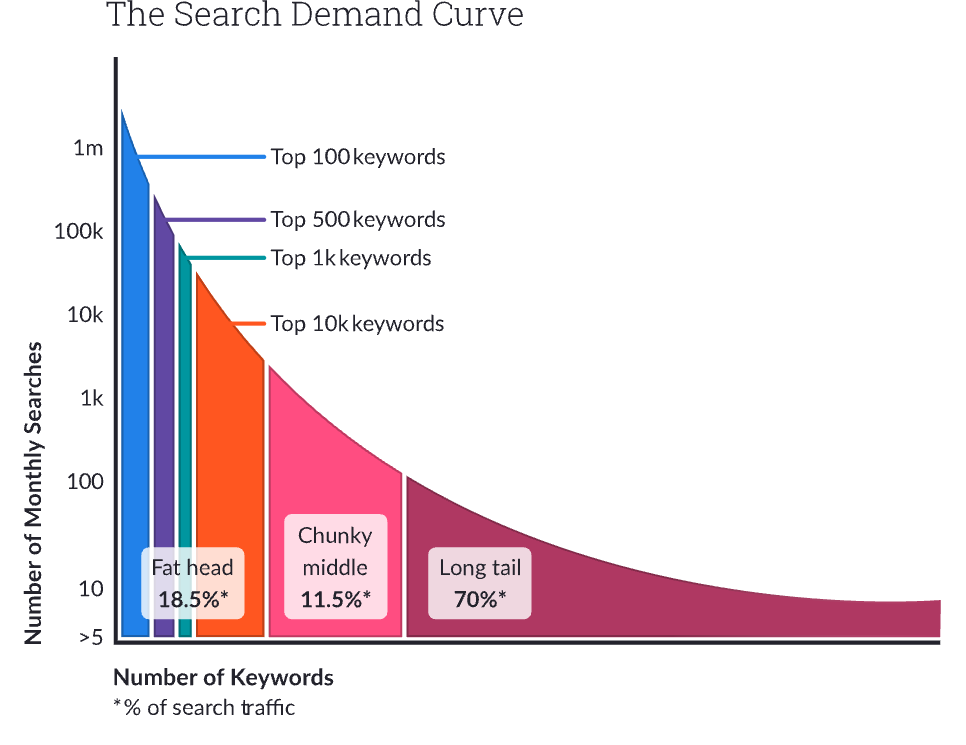
Why intent and long-tail keywords beat big search volumes
Most keyword research starts in the wrong place: with volume. The biggest numbers get circled, the plan gets built around them, and six months later nothing has changed. The problem is not the effort. It is that volume tells you how many people searched, not why.
Intent is the question behind the keyword
Every search carries a purpose. Someone typing "what is a fractional marketing director" is learning. Someone typing "fractional marketing director cost UK" is comparing. Someone typing "fractional marketing director Lincolnshire" is close to picking up the phone. Same topic, three very different readers.
If you answer a buying question with an educational blog, or meet a learner with a sales page, you lose them. Matching the page to the intent is the difference between traffic that converts and traffic that bounces. Before writing anything, look at what already ranks for the term. Google has spent years working out what searchers want. The results page tells you the intent.

Don’t underestimate less popular keywords.
Long tail keywords with lower search volume can convert better, because those searching are more specific and intentional in their requests. For instance, a person searching for “trainers” is probably just browsing. On the other hand, someone looking for "best price blue mens size 10 running shoe" is closer to a purchase point.
Equally, a search for ‘professional services’ is wide, whereas ‘professional services firm near Mansfield focused on wealth management’ is nearer a decision.
Long-tail keywords: smaller, longer, better
Long-tail keywords are the longer, more specific phrases people use when they know what they need. "Accountant" might get thousands of searches a month. "Accountant for owner-managed construction firms" might get thirty. Most businesses chase the first. The second is worth far more.
Three reasons why:
The intent is clearer, so you know exactly what the page needs to do.
The competition is thinner, because national brands rarely bother with specific phrases, which means a well-built page can actually rank.
And the searcher is further along their journey, so fewer visitors produce more enquiries.
For SMEs especially, the long tail is where the opportunity sits. You will not outrank the big players for broad terms, and you do not need to. A cluster of specific pages, each answering one precise question well, will quietly outperform a single page chasing a vanity keyword, and make targeted inroads to the right people.

Small but mighty, focus on the achievable and right customer.
What can I do today?
Stop asking "how many people search for this?" and start asking "what does this person want, and how ready are they to buy?"
Build your pages around specific questions from people close to a decision.
The numbers look smaller on a spreadsheet. The enquiries look considerably better in your inbox.