
BLOG

Adam Driver Adam Driver

Five years of Authentic Comms Strategic Consultancy

Five years of running a marketing and comms consultancy.
60 months, 1825 days, 43,800 hours (not all billable 😉)

Well, how did that happen...?!

From a pipe dream back in summer 2019, to sending out my 300th invoice last week (don't worry LinkedIn chest beaters, they weren't all for six-figures 🤑), I have a five-year-old business.

I'm a businessman, man.

I started Authentic on to give more us more flexibility as a young family, and to be more empowered and autonomous with decision making. More in control.

That control evaporated as I ended up 'going live' on the 3 April 2020, a few weeks into lockdown. I asked for my old job back (!) but understandably didn't happen, and also had three hospitality clients lined up. That didn't last.

Something about resilience and determination there? Maybe. It was also great to be at home with family, and terrifying thinking about what comes next. Made it through, though.

Adapt, pivot, resilience. All that, I guess. Hustling, maybe...?

That decision making and control can be exhilarating, yet it can be tough when you're a one-person band – juggling finances, marketing yourself, doing the actual work, new business/networking, social media, having some semblance of a work-life balance...

It is a rollercoaster, but it's my rollercoaster. Feast and famine, ups and downs, good and bad days. It's all part of the mix.

But Authentic remains the thing I am most proud of in my professional life.

Will it last forever? I don't know. It's a vehicle to make our family life better - not just financially (I'm not pulling in the big bucks at all, yet) but time-wise.

And on the finance/project management/cheerleader side, a huge, immeasurable thank you to my life partner and numbers queen Berni Driver for everything through the years.

It's not always been a smooth ride, but your support has made it all possible. It is our business (even though I struggle with saying 'my' sometimes, after years it becomes a reflex). And you kick ass as an FD x

Thank you to all the clients, partners, advocates, colleagues, peers, listening ears, LinkedIn Friends, random networkers, coaches, counsellors, Three Things-watchers, WhatsApp group communities, 'let's go for a pint or coffee' peeps and everyone else I've worked with in the past five years.

Too many people to name, you know who you are.

I was thinking of a big list of things, but here are three (of course), that I'd recommend to anyone.

[To anyone considering going freelance, self-employed, consulting or however else you wish to call it, I'm always up for a chat. People have helped me throughout this, and I want to do the same.]

1. Trust your gut
2. Get a good accountant
3. Remember why you're doing this

Right, off to celebrate by walking the dog, seeing a client in Norfolk and then being up front and centre at a new pop-up networking event in Bury, talking about engaging the media. See you there if you're around.

Go steady, all. One thing at a time.

✌️ Ad

Read More
Adam Driver Adam Driver

The reality of going ‘viral’ on LinkedIn: more than just vanity metrics

Recently, I experienced what many people dream of on social media – and some clients ask for 🤦🏻 – a viral post.

It was on LinkedIn (of course, where else) – a platform where a post ‘popping off’ can feel like winning the business lottery.

Recently, I experienced what many people dream of on social media – and some clients ask for 🤦🏻 – a viral post.

It was on LinkedIn (of course, where else) – a platform where a post ‘popping off’ can feel like winning the business lottery.

Now, to caveat, I am writing this to explain in clear terms how virality and reach isn’t king/queen. It depends on many other factors. LinkedIn boosting me with the algorithm can be good, but does it translate into business? Well, maybe.

The numbers were pretty mind-blowing: as of this morning, more than 827,000 views, 6,000 likes, 302 comments and 106 reposts. Of course, this means I get more followers, more connections, more people aware of who I am, and of what Authentic does.

[However, as my business partner (and wife) said, maybe going viral is only when its in the millions… thanks B, ha!]

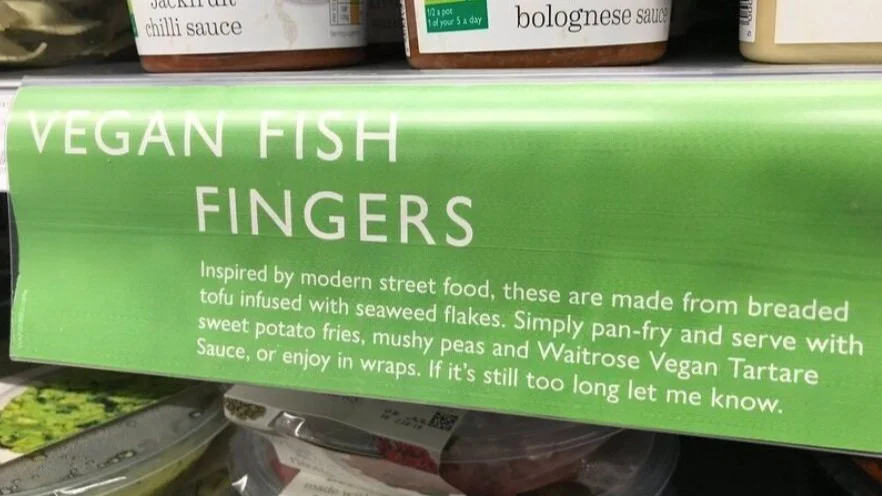
The post in question was this, a hastily shared photo which has been doing the rounds for YEARS. A Waitrose POS bit of copy that had a funny “If it’s still too long let me know” remaining at the end. Someone had clearly copied and pasted, or not proofed.

It was mad, to say the least. But as the dust settled and the notifications slowed down (), I found myself thinking, what did this actually do for my business?

“…I am slightly frustrated (yet get it) that for all the hard work crafting posts around my workshops, courses, services and expertise, they can get c.150-1,000 impressions, when this random funny post goes WILD. All part of the game, and it’s about more than one post in silo.”


The Thrill of Vanity Metrics

Don’t get me wrong, it was exciting to watch those numbers climb (God, I’m sad…). Every new like and comment was crazy. Vanity metrics, as they’re often called, can give you a bit of a dopamine rush.

But, here's the catch: vanity metrics don't pay the bills. They don't automatically translate into new clients, sales, or meaningful business relationships.

In fact, despite all the attention – it brought me some new followers and increased my visibility – but how much direct business came from it?

None, if I'm being honest.

And I am slightly frustrated (yet get it) that for all the hard work crafting posts around my workshops, courses, services and expertise, they can get c.150-1,000 impressions, when this random funny post goes WILD.

I know this is all part of the game, and it’s about more than one post in silo, yet the irony is not lost on me!


Going Viral Isn't the Goal

Going viral isn’t what one should aim for — at least, not if you’re an individual or a business in the B2B space. The goal should be consistency, authenticity, and building genuine relationships over time.

Social media, especially LinkedIn, is about the long game. It's about creating a wider, interconnected community of like-minded professionals who trust you and see you as a valuable resource.

What they need is a steady, reliable presence that delivers value. You want to be seen as someone who is there not just for the big moments but for the small, everyday interactions that build credibility and trust.

It’s about showing up regularly, sharing insights, engaging with others, and being a part of the conversation.

Paying it forward, offering help, advice, and support to others in your network without expecting anything in return. When you do this consistently, you build goodwill and a reputation that attracts people to you naturally.

Being friendly in such a way on social media might sound straightforward, but it’s incredibly powerful, especially on a platform like LinkedIn.

People want to do business with those they like and trust. By being approachable, responsive, and genuinely interested in others, you create an environment where people feel comfortable reaching out to you.

So, if you find yourself (or directors or colleagues) chasing the next viral moment, take a step back.

Focus on being consistent, being friendly, and playing the long game. Trust that by doing so, you'll attract the right people to your website and your business in a way that’s sustainable and rewarding.

And I wouldn’t be in B2B marketing if I didn’t add a gentle CTA… get in touch if you would like help with your personal LinkedIn account, or support with content strategy, lead generation or managing your business or organisations’ Company Page.

Get in touch here, or find me on LinkedIn.

Thanks for reading and let me know your thoughts below.

Read More
Adam Driver Adam Driver

Repurposing content: overcome your content marketing overwhelm

Starting with content marketing can be an intimidating venture. The fear of not having enough ideas, running out of content, or simply not knowing where to begin is common – even for ‘old hands’ like me. However, these fears can be significantly alleviated by leveraging a powerful yet often overlooked strategy: content repurposing – ensuring your marketing efforts are both efficient and effective – and, more importantly, CONSISTENT.

Starting with content marketing can be an intimidating venture. The fear of not having enough ideas, running out of content, or simply not knowing where to begin is common – even for ‘old hands’ like me.

However, these fears can be significantly alleviated by leveraging a powerful yet often overlooked strategy: content repurposing. Repurposing content allows you to maximise the material you already have, reducing the pressure to constantly create new content from scratch and ensuring your marketing efforts are both efficient and effective – and, more importantly, CONSISTENT.

The power of repurposing

At its core, content repurposing is about taking existing content and adapting and reformatting it for use in different mediums or for different audiences. This strategy not only breathes new life into old content but also broadens your reach and enhances your ROI. For instance, a well-performing blog post can be transformed into a series of social media posts, an infographic, a video, or even a short audio clip. This method is not just about recycling content but rather about creatively reimagining it in ways that resonate with varied segments of your audience.

Addressing the fear of not having enough ideas

One of the most daunting fears for new content marketers is the idea that they might run out of content ideas. The thought of having to constantly come up with fresh, innovative topics can be overwhelming. However, repurposing content alleviates this fear by allowing you to tap into the potential of the content you’ve already created. Instead of continually striving to develop new ideas, repurposing enables you to explore different angles, formats, and platforms for content that’s already proven successful.

For example, if you've written a comprehensive eBook/brochure/PDF, this content can be broken down into multiple blog posts, each addressing a specific chapter or topic. Additionally, you can create a webinar series or a set of social media posts highlighting key takeaways. This approach ensures that the time and effort invested in creating the original content continue to pay off, while also reducing the need to constantly generate new ideas.

Overcoming the fear of time constraints

Another common fear in content marketing is the perceived time commitment. Many people assume that successful content marketing requires a constant stream of new material, leading to the belief that they simply don’t have the time to keep up. However, by repurposing existing content, you can maintain a consistent (that word again) presence without the constant grind of content creation.

For instance, a single well-researched article can be repurposed into various formats, such as short LinkedIn posts, Twitter threads, or Instagram stories. Each format requires minimal additional effort but significantly extends the lifespan and reach of the original content. Additionally, repurposing can help fill gaps in your content calendar, ensuring that you always have something valuable to share with your audience, even during busy periods when time for content creation is limited.


To wrap up, content marketing doesn’t have to be a frightening phrase. By embracing the strategy of repurposing, and just starting, you can overcome the fears associated with it. This approach not only maximises the value of your existing content but also provides a sustainable way to maintain a consistent and impactful content marketing presence.

So, take a deep breath, carve out some time to look at the content you’ve already created, and start repurposing it into new and engaging formats that will resonate with your audience across multiple platforms.

You know where I am, if you would like any support. 

Fly my content repurposers! 

Read More
Adam Driver Adam Driver

A little bit about me.

Oh hi 👋 – had a fair few new followers and connections in the past month so wanted to reintroduce myself.

(And make use of my photos that usually sit dormant in my Google Drive! Here's one of me sitting proper casual-like, definitely on a real phone call.)

Oh hi 👋 – had a fair few new followers and connections in the past month so wanted to reintroduce myself.

(And make use of my photos that usually sit dormant in my Google Drive! Here's one of me sitting proper casual-like, definitely on a real phone call.)

I am Adam. I'm 37. I'm a Sagittarius. I'm a Chartered comms professional with the CIPR. And I have two kids (4 and 2). And a cockapoo called Charlie.

And for the past (nearly) three years I have been running my own business: Authentic Comms Strategic Consultancy.

𝗪𝗵𝗮𝘁 𝗶𝘀 𝗶𝘁?
It's me, helping partners develop messaging, audit and optimise websites, promote events, write engaging copy, build LinkedIn profiles, create content marketing strategies and improve SEO with keyword research.

𝐖𝐡𝐚𝐭 𝐝𝐨 𝐈 𝐨𝐟𝐟𝐞𝐫?
🔭 Focus – As well as the specific challenge/issue, I want to know your audience(s), messaging and objectives (outcomes). This has a major draw on how the work will be undertaken.

🎁 Projects – wrapped up audits and reviews, tangible recommendations or select improvements to key areas of your comms or digital marketing.

🤝 Retainers/interim support – do you need longer-term ongoing help, or filling a gap in your business for a short period of time?

🆙 Coaching – empowering, training and upskilling team members in comms, digital marketing, LinkedIn or SEO among others.

🙋🏻‍♂️ Always Authentic approach – no bullshit, no spin. I do what I do, and will recommend others if it is not something I can support on.

👁️ Holistic marketing view – wide knowledge of variety of areas. A T-level marketing comms professional, I understand the marketing mix and how you can leverage elements for your intended outcomes.

🤷🏻‍♂️ Channel neutral – leading on from above, the choice of activity you want MAY not be the right way. I take the facts, data and requirements, making recommendations that are best suited to your objectives.

📚 Sector agnostic – I've worked across tech, education, hospitality, not-for-profit, professional services, membership bodies, corporate, property, and more. This brings fresh views and different ideas to new projects. If I haven't got experience of your sector that is OK; I work with you to get the best of both worlds.

🔚 Outcome focused – always tied into tangible, measurable outcomes. If you can't see ROI, then why bother?!

𝐒𝐡𝐨𝐮𝐥𝐝 𝐰𝐞 𝐜𝐡𝐚𝐭?
Yes. Good things come from chats with good people.

If you, or your organisation (or agency - Hi, White Label!) need comms and marketing advice and support, get in touch. Link in first comments.

Have good rest of your weeks,
Ads x

Alt text: Potentially handsome, slightly balding man with glasses, sitting on a bench with glass building and grass behind, in a smart-casual jacket and jeans possibly on the phone, looking up to the sky.

Read More
Adam Driver Adam Driver

SMEs - the answer to pulling us out of a recession?

Are SMEs the strong, resilient cart horses to pull the UK out of a recession? If they invest and spend, they may just be...

"It may seem like a paradox, but recessionary periods actually provide fertile grounds for marketers to grow their brand’s market share if they’re prepared to think long-term." (Ritson, Marketing Week, 2020)

Are SMEs the strong, resilient cart horses to pull the UK out of a recession? If they invest and spend, they may just be...

"It may seem like a paradox, but recessionary periods actually provide fertile grounds for marketers to grow their brand’s market share if they’re prepared to think long-term." (Ritson, Marketing Week, 2020)

Consider this in your role, regardless of 'proximity' or understanding of marketing, as this recession bites.

We're all aware of redundancies across industries, strikes galore. as well as increasingly terrible socio-economic conditions for ... millions across the country.

This is not talking directly to that; this is around businesses, organisations and brands investing, growing, being brave and (hopefully) indirectly helping pull the country out of recession quicker.

I realise that is a lofty aim, and maybe my optimism is misjudged, but all the signs point to SMEs having the breadth and depth across all geographical locations and sectors, to grow, boost employment, and enable more people to grow with them.

Note: In 2021, total employment in SMEs was 16.3 million (61% of the UK total), whilst turnover was estimated at £2.3 trillion (52%) - source FSB.

In this excellent Marketing Week piece from the professor (link below), the investment before during and after recession periods was proven to work.

"Companies that decreased their advertising spend saw their sales decline both during the recession and then for the following three years."

Looking at the Great Depression as well as other periods, the evidence points to being strong and resolute - measure, monitor, test and learn, adapt.

Know your audience(s). Get under the skin of the personas.

Start (again, or for the first time on a new project /service /approach) with why. Thanks, Simon

What makes your audience(s) tick, where are they hanging out?

Speak to experts, get a different point of view. Test and Learn.

The same principles as in 'normal' times. Don't forget the foundations you've built your business on; the foundations that are proven to work.

And – crucially – remember to appropriately shout about who you are, in the right tone, on the right channels, and optimise, optimise, optimise.

If people aren't aware of you, they won't come calling.

Do you agree? Am I being too optimistic?!

Or *can* SMEs be the carthorse* pulling this country out of the mire?


*yes, carthorse is old school. I live in Suffolk. I'm thinking of the Suffolk Punch pulling drays, delivering, keeping the country running, during some pretty dark days.

Read More
Adam Driver Adam Driver

What do I want my audience to Think, Feel, Do?

A well-worn approach in strategic marketing communication, yet one that is good to revisit, and refresh, regardless of your role or years of experience.

‘Think-Feel-Do’ is an outcome-based framework looking at three key outcomes of effective communication, whatever your organisation or business, sector or objective.

A well-worn approach in strategic marketing communication, yet one that is good to revisit, and refresh, regardless of your role or years of experience.

‘Think-Feel-Do’ is an outcome-based framework looking at three key outcomes of effective communication, whatever your organisation or business, sector or objective.

Outcomes are preferable to outputs for myriad reasons – another blog coming soon about this and the fantastic Barcelona Principles from AMEC - yet the main reason being outcomes are what the business needs or wants to achieve, whereas outputs are the deliverables: actions or items that contribute to achieving said outcomes.

Note: one prerequisite to this, is having a clear understanding of who your intended audience is (or audiences are), before embarking on any more nuanced activity. There usually is more than one particular audience at any given time.

Taking an early call on how you wish to prioritise these audiences, or which ones you wish to connect with through specific activities, messaging or channels, helps to focus activity AND intended outcomes/objectives.

How do you want your audience(s) to REspond, act or behave?

  1. Think: What do you want your audience(s) to think about your organisation or business and its authority/expertise/approach?

  2. Feel: What kind of emotional response do you expect from your audience(s); how do you want them to feel about your brand?

  3. Do: What do you want your audience(s) to do, what action should they undertake next, and how do you hope to influence their behaviour to do this?

The key thing is to not overcomplicate such outcomes – trying to get people to think, feel AND do three entirely separate things can be complex. As can conflating two audience personas – i.e. an older person with more experience of your product/service will be communicated with differently to a younger ‘new’ person, who doesn’t know of you. Any overlapping think-feel-do’s should align and be complementary.

For example – sadly this is timely – for a regional public sector message about healthcare, you would like the audience to remember that services are stretched, that they feel supportive and positive about doing their bit for the NHS and local teams, and to take alternative actions to relieve the pressure. Measurable outcomes in this instance could be fewer visits to A&E, more calls to 111, or fewer bank staff in hospitals.

Alternatively, a brand selling shoes online may like to get people the think about fast delivery and good quality, you’d like the to feel like they align with the brand’s image and personality, and you’d like them to sign up to socials/email subscription for more offers (an easily trackable metric).

Think Feel Do examples:

Think: What do we want the audience(s) to consider after being given this information?

  • For instance: “I didn’t know that”, “I need to find out more about this”, “That was helpful”, “These guys know their stuff”, “I didn’t know they did this”, “There is nothing to worry about”, “This is aligned with my values and intentions”, “I can use this piece of info”.

Feel: What emotion or response do we want to evoke with our communication?

  • For instance: informed, supported, more confident, relieved, intrigued, prepared, concerned, relaxed, frustrated, empathetic.

Do: What specific, tangible action do we want the audience to take?

  • For instance: download, sign up, follow, give feedback, get involved/participate, visit the website, contact someone.

Why start with Think, Feel, Do?

This enables us to work backwards to develop stories, narratives and journeys to engage your audiences in the most effective way possible. There will be different routes and messaging for different audiences, yet understanding the audience’s intended behaviour or thought process is a key way of getting them into the marketing funnel.

Whether you think of your business or role as marketing or not, you should consider how you connect with your consumers, stakeholders, partners, media, or other audiences to optimise your impact.

Whether you’re selling something, sharing important information, trying to get bums on seats, or just convincing the audience of a particular POV, connecting on an emotional and practical level can help you more accurately measure the effectiveness of your communications and adapt accordingly.

Remember, this all comes from knowing WHO your different intended audiences are, but that’s for another blog!

What do you think about Think, Feel, Do?

Read More
Adam Driver Adam Driver

Carving the content turkey – repurposing your content marketing

Dine off it. And don’t forget about teasing in advance. How to make your content marketing work smarter, not harder, to optimise your content output and maximise returns, results and outcomes.

As we pack up the tree and decorations, ease back into work mode, and make that trip to the bottle bank, here’s a particularly timely favourite phrase from Authentic HQ.

Reeling from the Christmas excess, consider carving your content turkey to take the pressure off, while you get up to speed in 2023.

What is carving the content turkey?

Over Christmas (or Thanksgiving for any of our American friends), many of us spend an inordinate amount of time preparing for one main meal.

Every year, on these special occasions, we gather friends and family together, putting on a feast.

The bird, the stuffing, the ham, the roasties, 2kg of sprouts, cheeses galore. Enough booze (or non-alc choices) to open an off-licence. And don’t get me started on desserts.

Afterwards, there is usually plenty of food left over. So, what we do with it?

Over the festive period, you can feed off that main meal for weeks. The Boxing Day lunch, bubble & squeak, picky teas, turkey curry, sandwiches, soup, and so forth.

Similarly, when you create a substantial piece of content – that important interview, the (gulp) annual report, a major event or a new podcast series – you can and should repurpose elements and sections, where you can – re-distributing it in additional formats and through supplementary channels.

Dine off it. And don’t forget about teasing in advance.

Even if you can’t say much, you can still say something.

Content extension ideas

To give tangible examples to whet your appetite, you could:

  • Turn your expensive five-minute conference review into teasers, short promotions for social, and behind-the-scenes clips, overlaying some easy-to-read graphics with key quotes. Also think about asking forward-thinking questions for the next event push.

  • New announcement in a press release? Create a countdown or carousel for social media using key figures. Use smartphone video clips, to give authentic top level reaction, or get your colleagues on the ground to announce/explain rather than the C-suite.

  • Tease your upcoming event with testimonials from former attendees, drip-feed new speakers or topics in the run-up, or film at the event location in advance.

  • Your annual report. It’s a big effort getting this over the line; we all know the pains. Soften the blow by taking styled-up shots of the front cover and key pages, tagging people involved on social. Thank the team(s) involved. Get them to become ambassadors, sharing teasers and driving interest.

  • New podcast? Get carving! Film some behind-the-scenes shots, or a 20-second interview with the speakers on a smartphone, and use as promotional assets. Shoot some candid reportage pics of people laughing, or take some audio or images and make your signposting come alive.

We all spend so much time and effort coming up with the ideas, fleshing them out, tonnes of organisation and collaborating to create something standout and interesting, that occasionally the opportunity can be over before we know it.

Thank you, next.

Don’t cringe at repurposing content 

If we’ve met or spoken, it’s likely you’ll have heard me use the turkey phrase. It’s a clear way of explaining my overarching approach content marketing, regardless of sector or channel.

Constantly producing brand spanking new content – blogs, social posts, videos explainers, PDFs, all-of-the marketing spiel – can feel endless and laborious.

This can easily make you lose interest in producing new ideas, or result in sub-par content churned out for the sake of it. It gives us a break from being on the ‘what next’ hamster wheel.

Don’t fall out of love with your content – work smarter, not harder, and react to what goes down well.

(NB: Your strategy should already be in place – the audience(s), the why, the outcomes, the measurement – let’s have a chat if not)

Get in touch if I can help you with your content approach or strategy.

Or your leftovers.

Ad

Read More
Adam Driver Adam Driver

Suffolk marketing consultant finalist in national PR award after starting in lockdown

Press release: Adam Driver, founder and director of Authentic Comms Strategic Consultancy, has been shortlisted for the UK-wide CIPR Independent PR Practitioner of the Year award, in the Chartered Institute of Public Relations Excellence Awards.

PRESS RELEASE: Weds 4 May 2022

Suffolk marketing consultant finalist in national PR award after starting in lockdown

Adam Driver, founder and director of Authentic Comms Strategic Consultancy, has been shortlisted for a UK-wide Independent PR Practitioner of the Year award.

The Chartered Institute of Public Relations (CIPR) Excellence Awards, now in its 38th year, are back in person, and Adam is one of four independent finalists nominated for their experience, commitment to professional development and contribution to the industry.

Based in Barrow, just outside Bury St Edmunds, Suffolk, Adam’s business Authentic Comms began life in March 2020, on the cusp of the first coronavirus lockdown.

“I had handed in my notice at my former marketing agency, after wanting to start my own business,” explains Adam, 36, who was born and raised in Bury St Edmunds. “By the time my notice period was up, I was at home during the first lockdown.”

“It certainly was an experience – and there were doubtful times – especially as my initial plan was to be hospitality-focused, which took a massive hit. Clients are now across the country from tech organisations, charities, membership bodies, universities and corporates.”

“I’m delighted to say that this award nomination has come just as I’ve celebrated Authentic’s two year anniversary, and I’ve got big plans for growth in the coming years.”

Adam, a former King Edward VI Upper School pupil, previously lived in London and Melbourne, Australia, gaining experience in content marketing, SEO and social media, as well as PR and strategic communication.

He is also a former co-chair of the volunteer CIPR East Anglia branch, and became a CIPR Chartered practitioner in 2020, with the world's only Royal Chartered body for public relations professionals.

“It’s a great honour to be shortlisted and recognised for such a prestigious award,” adds Adam, “I’m excited to get dressed up for the big awards dinner in London next month, and celebrate with my peers whatever the result.”

The CIPR Excellence Awards ceremony is being held at City Central at the Honourable Artillery Company, London, on Wednesday 8 June.

To contact Adam, email adam@authenticcomms.co.uk, or visit www.authenticcomms.co.uk

The CIPR Excellence Awards ceremony is taking place on 8 June in London.

Read More
Adam Driver Adam Driver

Leadership & culture: Timpson's Chairman, John Timpson (Concious Leaders Podcast)

This interview, hosted by Ruth Farenga, is with John Timpson, chairman of Timpson’s. In it, he candidly shared his ups and downs, experience of saying goodbye to the wrong people, examples of upside-down management (a phrase the business has owned ), and his focus on extra, great service – and enabling that at all costs.

Podcasts, podcasts everywhere. But how do you choose what to listen to?

With so many (too many?) podcasts to pick from, there can be an element of overwhelm.

However, when I saw the company featured in this podcast from Concious Leaders, I had to give it a listen.

This interview, hosted by Ruth Farenga, is with John Timpson, chairman of Timpson’s. In it, he candidly shared his ups and downs, experience of saying goodbye to the wrong people (which he terms as a positive thing), examples of upside-down management (a phrase the business has owned ), and his focus on extra, great service – and enabling that at all costs.

I’ve been a big fan of Timpson’s for many years – you’ll probably know them for being the uber-helpful cobblers and watch fixers adorning many a supermarket entrance (2000+ stores).

More that that, they have an interesting upside-down structure (“Upside Down Management applies to everyone at Timpson. We all have the authority to find the best way to do our jobs.“), hire many people who need a second chance (including former prisoners) and do a lot of good in the business world. Give CEO, and John’s son, James a follow on Twitter for a taste of what I am talking about.

A few takeaways from listening to this pod:

  • The concept of *everything* being supportive of the frontline customer service role, facilitating good discussions, not enforcing policy and rules, more empowering and enabling the people that matter to focus on their customer-facing jobs.

  • Specifically, John spoke about the two things he wants from all of his team, which now numbers into thousands: 1) look the part and 2) put money in the till. Everything else is not important. He empowers his frontline teams, but is not rigorous or enforcing strict policy, enabling autonomy and high level of personal service. It is up to that person to decide how to speak to and deal with each customer in a personal and personable way.

  • The reminder that you cannot teach someone everything. Sometimes, you have to cut ties and realise they are not the right person for you. Not a bad thing.

  • The emotional intelligence of the area managers is key. They are empowering their team by taking on the burden of responsibility for all, even shielding the crucial customer service role from incoming, or internal, phone calls. They should be ready to serve at all times, not working about answering the phone. John calls his area manages the ‘social workers’.

  • Linked to this is the empathy – be kind and good to people and they will stick around/support/become great advocates. For example, giving people time off for financial, grief, bereavement, or other life challenge reasons is kind at its heart. Showing there are more important things than work.

I’ll stop there, but really recommend you give the podcast a listen. Link below:

https://www.consciousleaders.org.uk/podcast

Thanks, Ruth!

Read More
Adam Driver Adam Driver

F1 in pole position: Formula One's digital resurgence

Guest blog by Nick Winn: Formula One wasn’t saved by a Netflix documentary series; its openness to digital marketing and social media did the hard miles. The fourth season of Formula One: Drive To Survive, Netflix’s hugely popular Formula 1 fly-on-the-wall docuseries, will be released in March 2022.

Formula One wasn’t saved by a Netflix documentary series; its openness to digital marketing and social media did the hard miles.

Formula 1 Drive to Survive (2022, March, Season 4, Netflix).jpeg

Guest blog by Nick Winn:

The fourth season of Drive To Survive, Netflix’s hugely popular Formula One fly-on-the-wall docuseries, will be released in March. There was no shortage of drama during the 2021 season – the controversial crowning of Red Bull’s Max Verstappen as world champion acting as the pinnacle of one of the most astonishing years the sport has ever seen.

The sport is a high-profile example of what can be achieved when an organisation dismisses a quick return on investment to focus on building fan (or consumer) loyalty.

The popular series has become the poster child for F1’s complete evolution since current owners Liberty Media took over in 2016. The sport is a high-profile example of what can be achieved when an organisation dismisses a quick return on investment to focus on building fan (or consumer) loyalty.

Liberty Media x Formula One

Liberty Media is the reason Formula One is now a regular trending topic on Twitter during the season, and a mainstay on the Reddit homepage throughout the year. The media company bought Formula One Group from private equity firm CVC in 2016, ending the reign of one of the sport’s pioneers, former Formula One Group Chief Executive Bernie Ecclestone.

Ecclestone had been the driving force behind the Concorde Agreement, which saw all teams contractually obliged to appear at every race and centralised the commercial rights of the sport. They had previously agreed separate deals with each event promoter, making broadcast coverage inconsistent. This was because If there were not enough teams for a race it would be cancelled, and nothing scares TV execs more than having to fill gaps in coverage (see the rush for archive sport events during the pandemic).

Ecclestone’s model guaranteed coverage for broadcasters and was what turned the sport into a billion-dollar business. No one can deny that this transformed Formula 1 for the better, laying decades of groundwork for where it now stands.

The lack of a harmonised digital strategy was damaging the sport’s chances at long-term growth. 

However, by the 2010s Formula One had several problems. Ecclestone’s focus on traditional broadcast and reluctance to loosen media rights to allow the sport to create a following on social media caused the fans tuning in to both age and decrease. The lack of a harmonised digital strategy was damaging the sport’s chances at long-term growth. 

Unlocking social media

Contrary to popular belief, Ecclestone did see value in social as a medium but, by his own admission, didn’t know how to unlock it. He couldn’t understand the necessity to reach younger fans, famously quipping that he’d “rather get to the 70-year-old guy who’s got plenty of cash.”

However, Liberty Media saw opportunity, recognising that engaging the next generation of fan might not bring huge profit margins early on, but could future-proof the sport. Chase Carey took over as CEO for Formula One Group in 2017 and made it clear the sport would take a digital-first approach.

F1 Formula 1 YouTube channel social media screenshot

It started allowing the teams to share more content from the paddock, providing a behind-the-scenes look and pulling the curtain back for fans. It also created new content specifically for digital, recognising that social media is not one additional platform, but several different channels to reach a broad range of committed and casual fans. It was quick to post race highlights, best of team radio and technical insights on its YouTube channel, bringing knowledgeable presenters such as Will Buxton to the fore through live streams like Paddock Pass.

It also recognised that whilst social media can attract casual fans, especially younger millennials and Gen Z’ers who consume snackable content instead of full broadcasts, it also needed to cater to hardcore supporters of the sport. As a result Liberty Media created the F1TV OTT channel, offering features such as full access to team radios and data insights provided by the partnership it signed with Amazon Web Service in 2018.

FIA_F1_formula one racing car_Austria_2021_Nr._14_Alonso

F1’s increasing engagement (and controversies)

In short, it flung itself fully into a digital-first strategy which runs so much deeper than Drive to Survive and doesn’t even consider the benchmark it set with its Esports Series which saw a 103% year on year increase from 2020 to 2021. If esports is where the next generation of audience is heading, F1 is winning the race among sports rights-holders, and that includes the likes of FIFA.

It is the result of an organisation putting brand reputation first, delivering high quality content that engages fans and refusing to see them as cash cows to build quick-fire profit off.

In November 2021, Nielsen Sports released the findings of its F1 Global Fan Survey and the results told the full story of what Liberty had achieved. It found that the average age of an F1 fan had dropped from 36 to 32, better than the likes of the NBA and NFL. This result is on the back of a surge in social media engagements, rising by 99% from 2020 to 2021 with the total number of followers also increasing by 36%.

The sport has had its issues, the inclusion of races in countries with questionable human rights records being one as well as its grapples with trying to become Net Zero Carbon by 2030, with the drivers also voicing their concerns. (Coincidentally, and putting on my corporate hat for just a moment, the use of sport to exercise politics and soft power, issues of nature and the environment and the growing role and influence of sport’s top stars such as Lewis Hamilton are three topics that have been covered in Brave New Sport, a new publication we’ve recently released).

Despite the controversies, Formula One has seen a seismic shift in terms of its perception among the general public. The Netflix effect cannot be ignored, but don’t be misled, the sport’s complete 180° from ageing procession to epic storylines is not just rooted in Drive To Survive.

It is the result of an organisation putting brand reputation first, delivering high quality content that engages fans and refusing to see them as cash cows to build quick-fire profit off.


Nick Winn is a sports-focussed communications and PR specialist based in Switzerland, working as Communication Manager for Infront Sports & Media AG.

Follow him on LinkedIn or Twitter.

Read More